Every outdoor property has ground that someone has to clear.
Picking, hauling, grooming and clearing compete for the same staff hours. We are building a robot with interchangeable tools to take on those recurring jobs, so people can spend more time on care and skilled work.
01 / 06
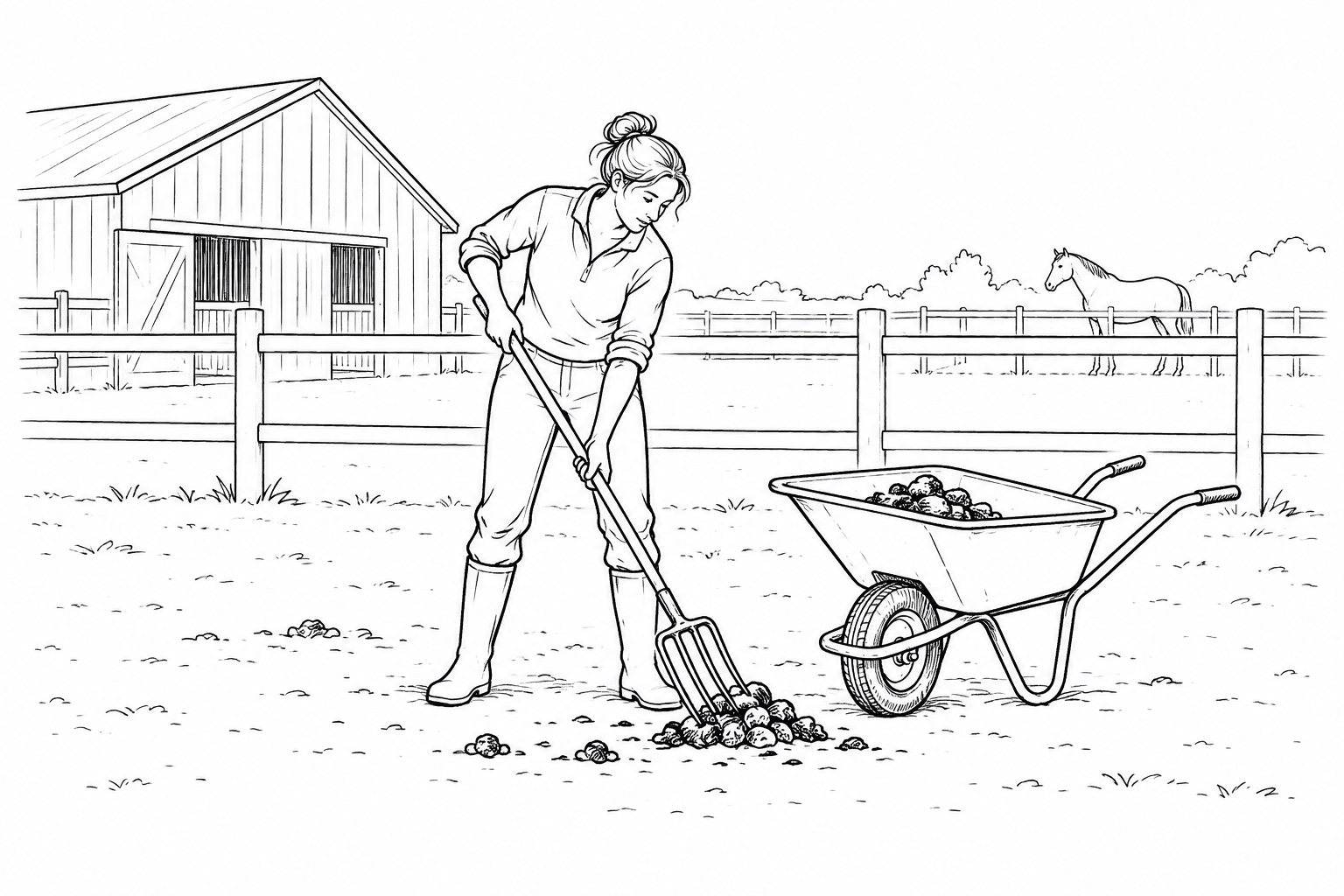
Horse facilities
Manure, footing maintenance
Barn staff with forks and wheelbarrows.
Multiple times dailyStalls, paddocks, turnout and arenas
U.S. market context · 20236.6 millionHorses in the United States
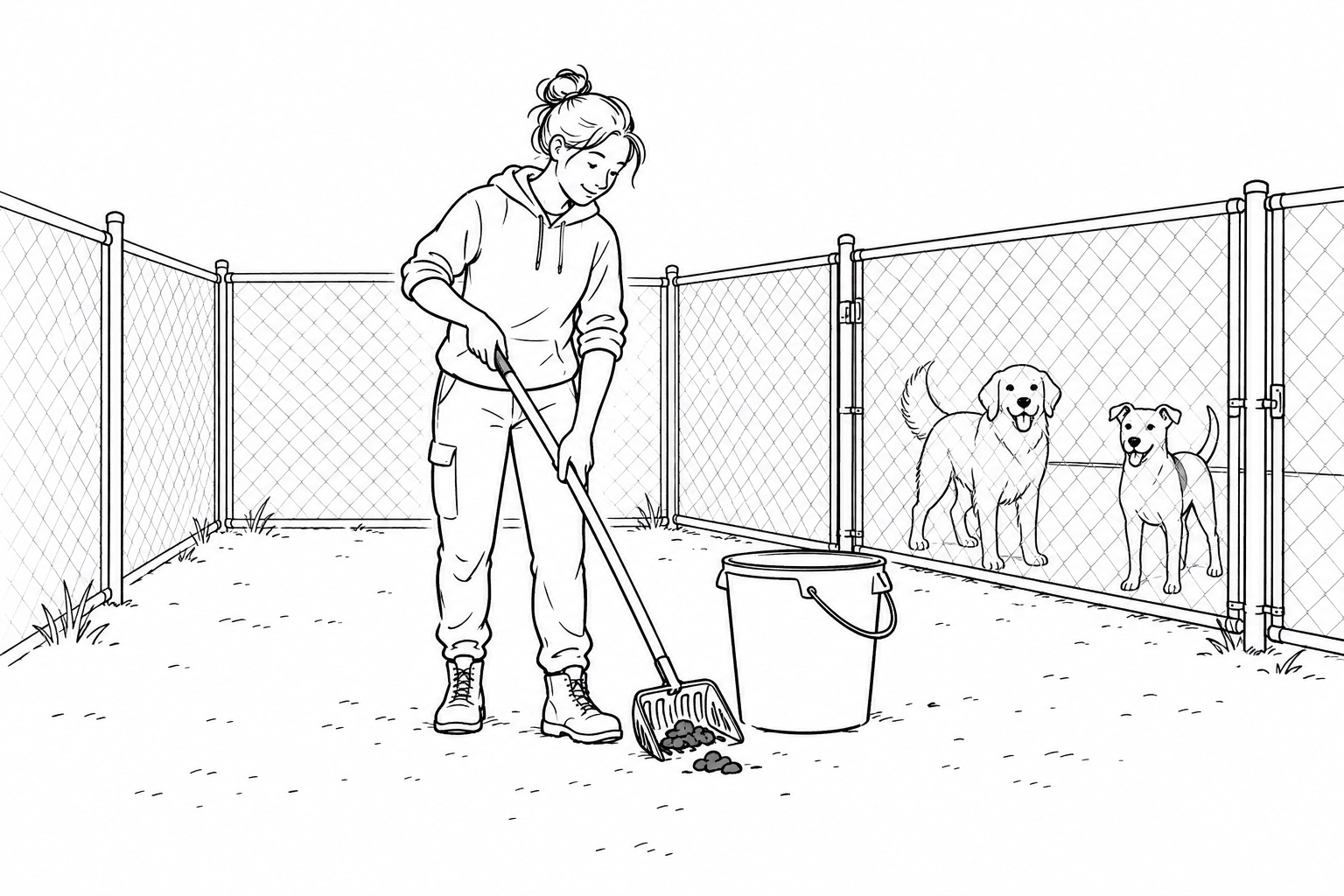
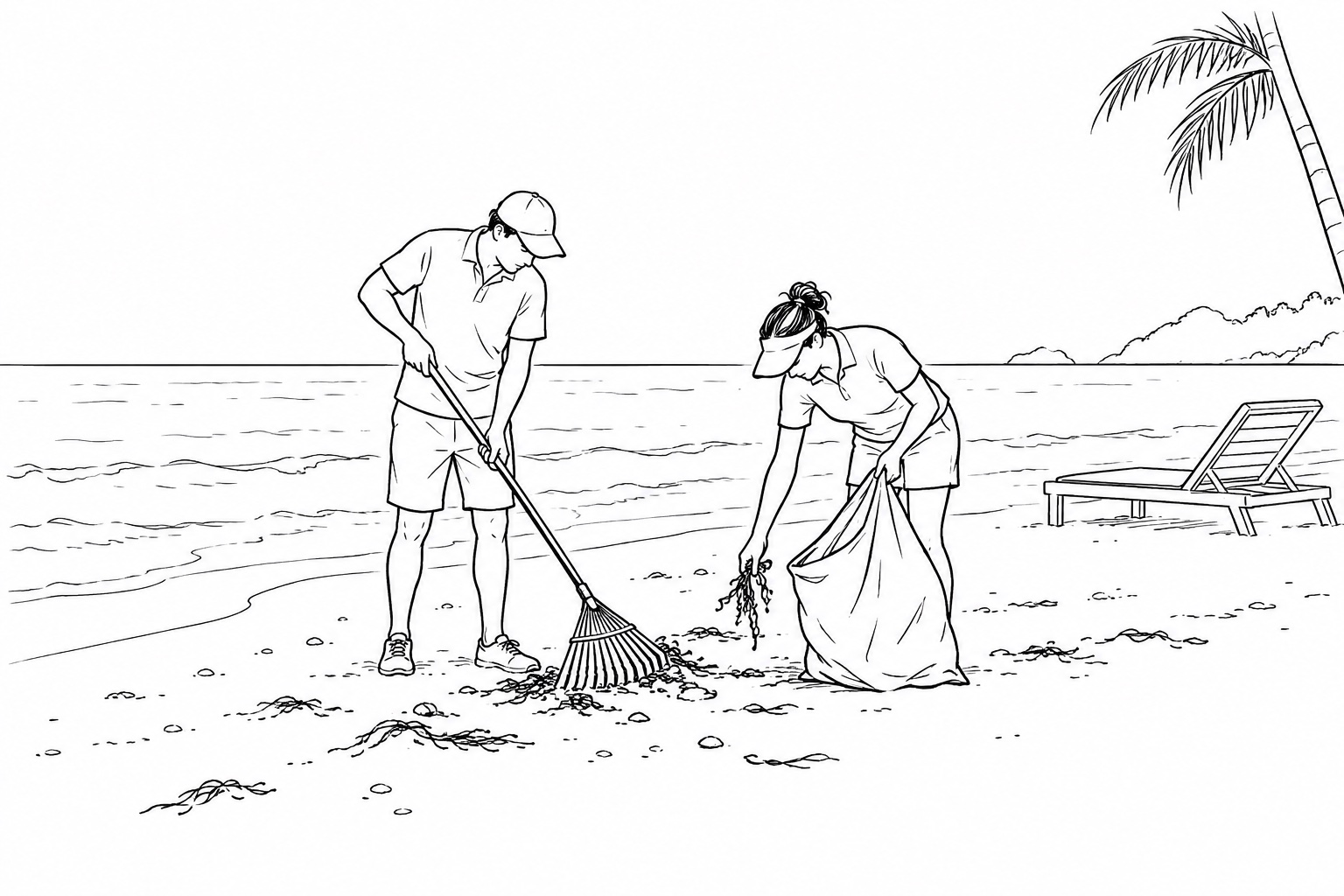
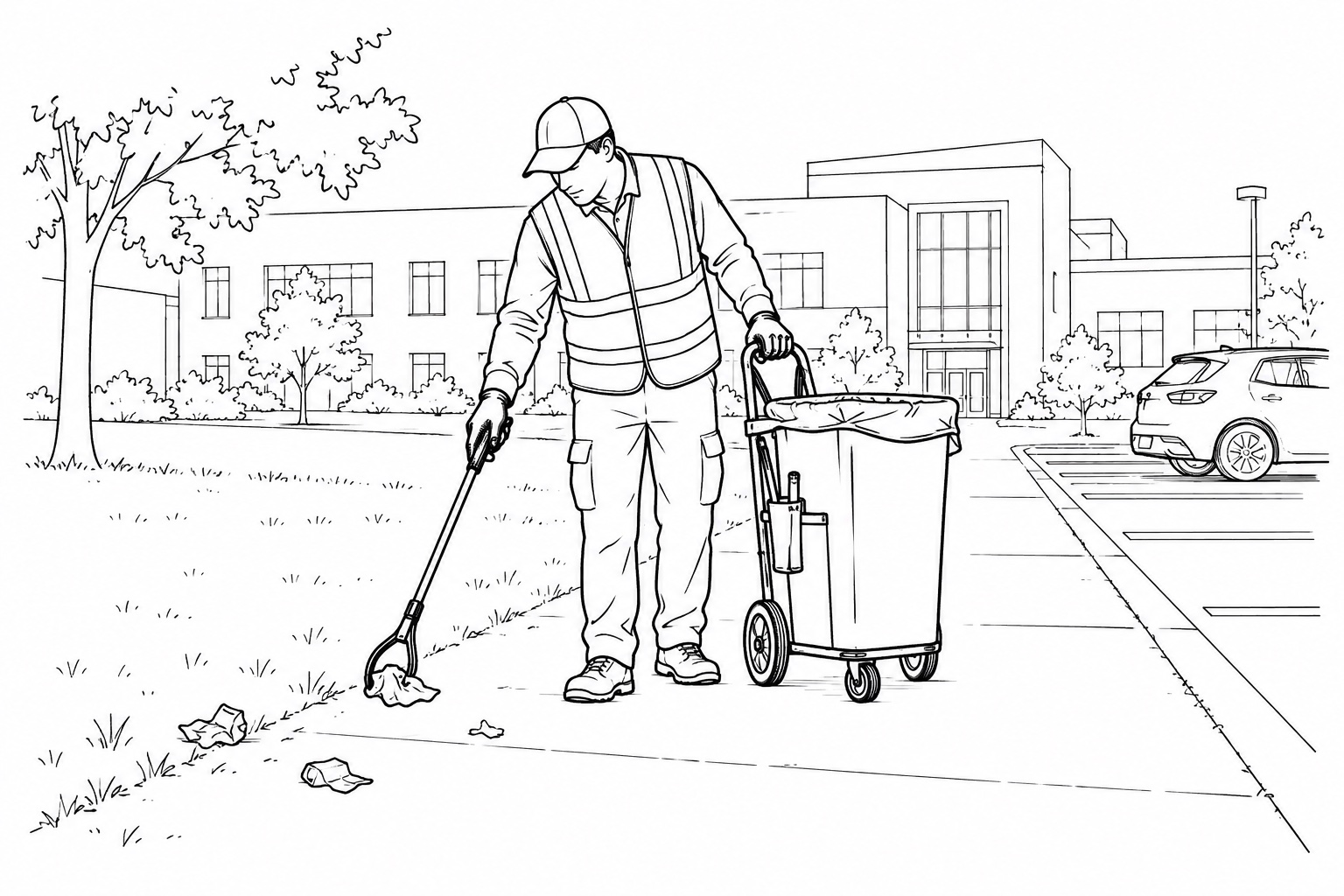
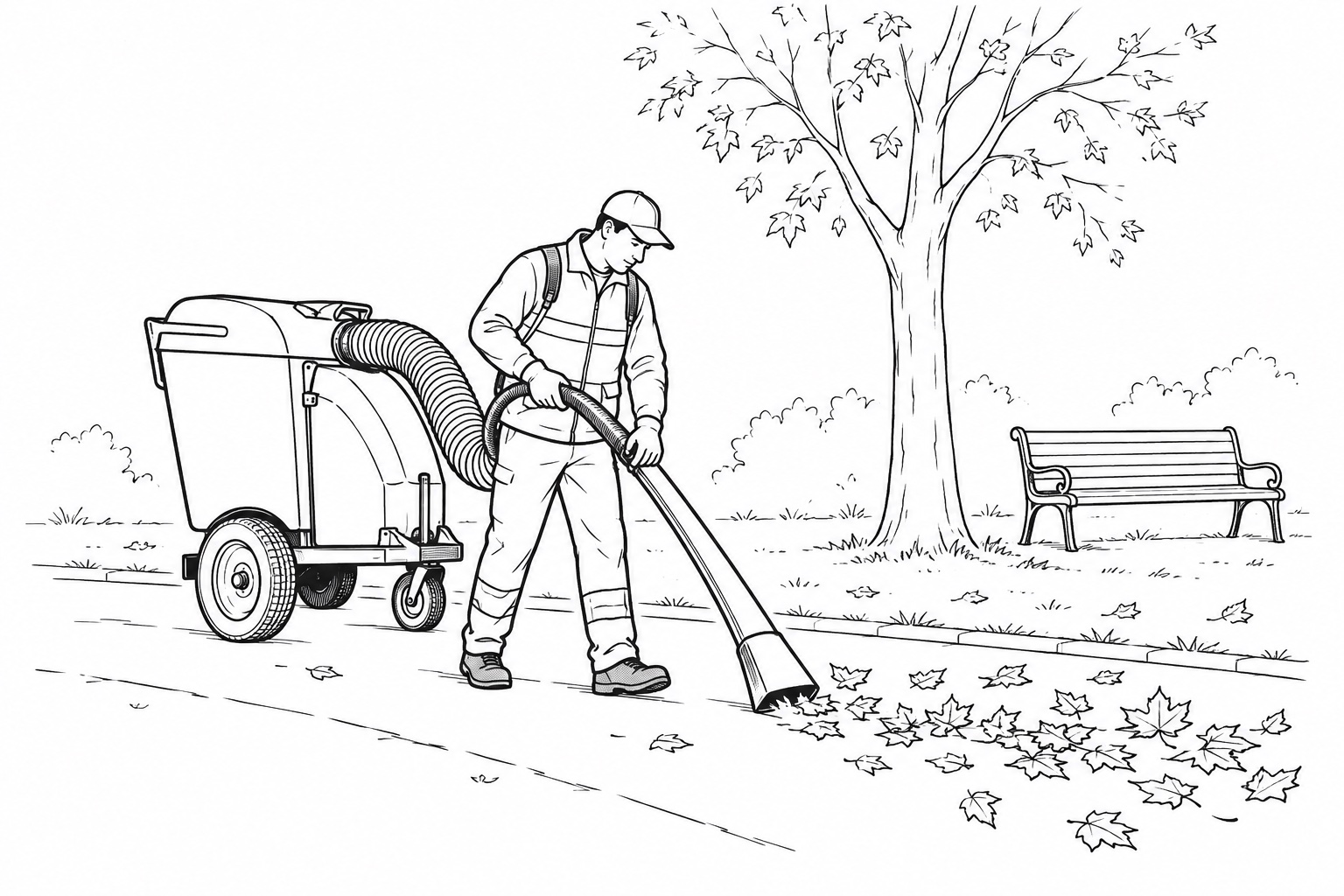
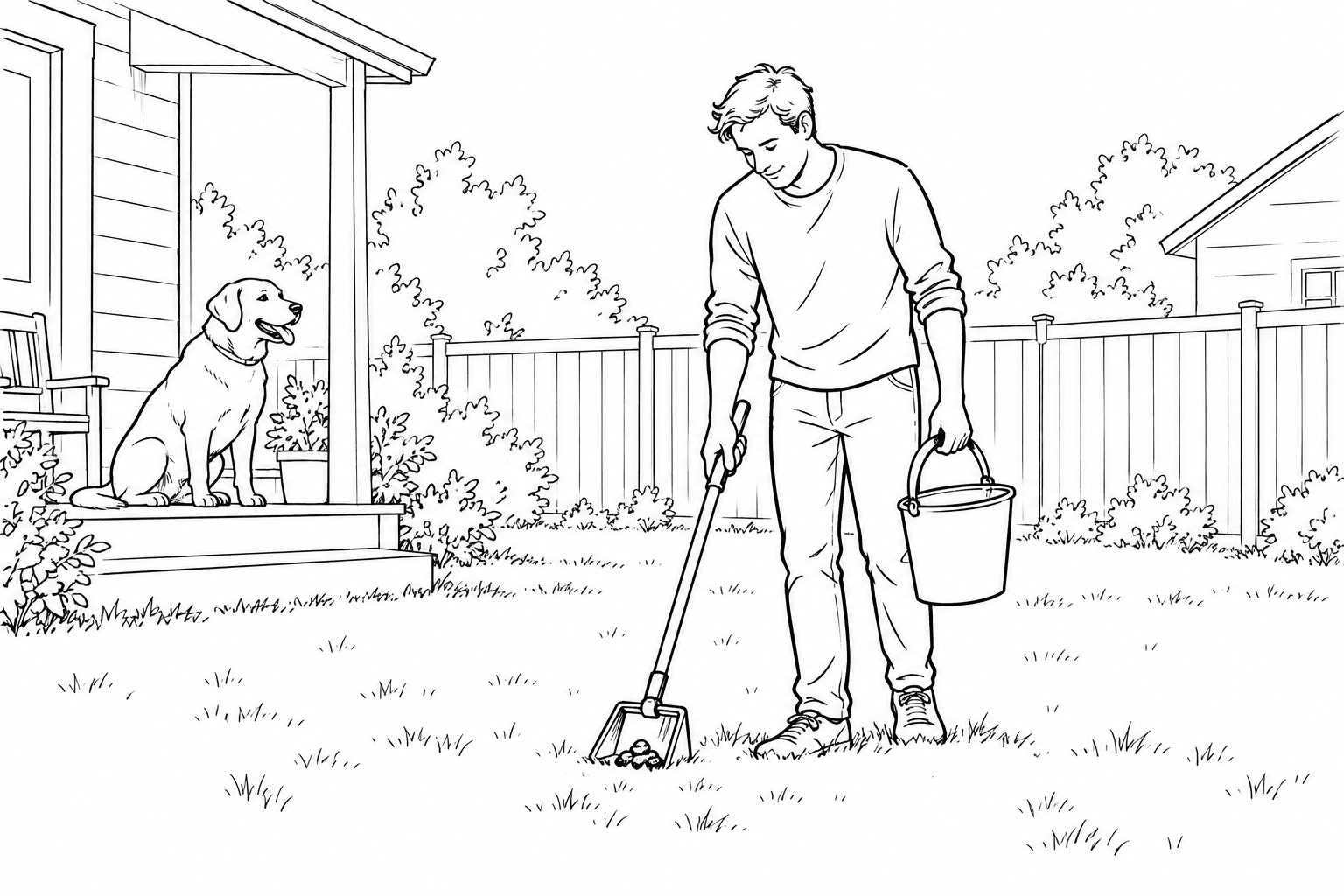
U.S. industry and population context, not the robotic-cleaning market. Years and measures differ; overlapping categories cannot be added. Images are AI-generated sketches.
One robotA shared mobile base, autonomy and service system
Many toolsA modular toolset for recurring outdoor tasks
One serviceDeployment, maintenance and support from SunUp
Outdoor work, end to end
From the first pass to the return to base.
See the robot, its working tool and the service cycle together: navigate the site, complete the task, unload and recharge.
BarnBot concept simulation: pickup, transport and return to base.
Do the work
Match the tool and operating settings to the task, terrain and material.
Adapt the toolset
Move from pickup to grooming or seasonal clearing on the same platform.
Handle interruptions
Yield space, stop when uncertain and make recovery clear to the operator.
The robot
Built to scale. Deployed for your facility.
A shared robot platform scales across outdoor tasks and facility types. Modular tools and adaptable autonomy let us configure the same system for different environments and workflows.
Deployment support
Configured for your facility
Our deployment team works on site to assess terrain and workflows, configure tools and operating limits, map work areas and train your team. Ongoing field support keeps the robot aligned with your facility’s needs.
Platform
Outdoor mobile robot + modular tools
Deployment
On-site setup + ongoing field support
Business model
Robot as a Service (RaaS)
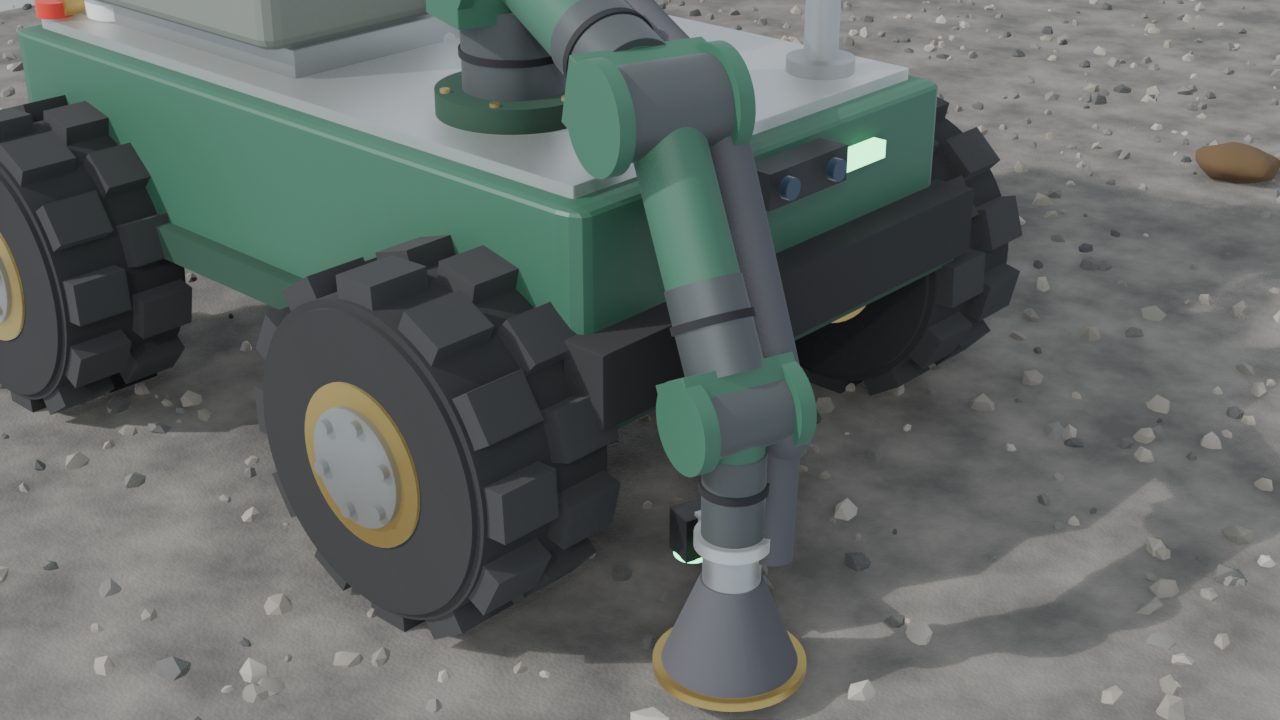
SunUp outdoor robot platform concept.
Modular
Modular tools enable versatile outdoor work.
Swap tools to pick up waste, groom arenas and clear outdoor spaces. One robot handles different tasks with the same navigation, fleet support and service.
The tools
The tool roadmap below extends the same platform. Each configuration is validated for its task and terrain before deployment.
Wet
Vacuum head
Manure and dog waste, lifted off gravel, sand or turf into a sealed tank.
Dry
Gripper head
Cans, bottles and wrappers. A sweeper pushes this kind of litter around instead of collecting it.
Seasonal
Leaf head
Shreds and vacuums. Six weeks a year of work that currently needs a crew.
Sand
Sifter head
Screens debris out of sand and leaves the sand behind. Beaches and arenas.
Groom
Arena drag
Leveling bar, spring tines and finish mat. Configured for the site’s footing.
Hard surface
Brush head
Barn aisles, wash stalls and pavement, where the mess is fine rather than discrete.
Start with one recurring job. Add validated tools as your needs grow. Your service plan defines the tasks, tools and support included — expanding the work one robot can do.
Technology
Autonomy that turns intent into action.
We’re building an autonomy stack that connects sensor fusion and semantic mapping to task planning, motion planning and adaptive control — turning facility workflows into coordinated robot actions.
Perception
01
Understand the site
Sensor fusion & SLAM: Build a persistent 3D map and estimate robot position.
Semantic perception: Identify waste, terrain, people and animals.
Traversability: Understand usable ground and uncertainty.
Task planning
02
Decide what comes next
Workflow sequencing: Turn facility routines into ordered jobs.
Resource planning: Select tools and schedule unloading and charging.
Task recovery: Adjust the job sequence when conditions change.
Motion planning
03
Turn tasks into movement
Coverage planning: Generate routes through approved work areas.
Whole-body planning: Coordinate base movement and arm trajectories.
Online replanning: Adapt paths around obstacles and changing terrain.
Adaptive control
04
Execute & adapt
Adaptive motion: Account for traction, slip and changing payloads.
Tool-aware control: Coordinate pickup, grooming and docking.
Runtime monitoring: Check operating limits and trigger safe stops.
Team
Built by a team that has deployed robot learning models in the real world.
Learning-based robotics (vision-language-action models, diffusion policies, task and motion planning) combined with experience deploying robots around people, and first-hand knowledge of the facilities this robot serves.
Co-founder
Cathy Ye
PhD & MS in Computer Science, Cornell University
Her research includes deploying robots around older adults, where predictable behavior, accessible interaction and safety-aware design are essential. With first-hand experience in outdoor facility work, including at equine facilities, she understands the daily workflows and practical needs of the people who keep these spaces running.
Left Cornell’s PhD program to build SunUpMS in Mechanical Engineering, University of PennsylvaniaMaster of Finance, UC Irvine
Kim brings experience across robotics, aerospace engineering and finance, connecting technical development with the operational and business demands of delivering a dependable robot service.
Robotics · Engineering · Business execution
Our team’s background
Robot as a Service · RaaS
You run the facility. We keep the robot working.
A monthly service provides the robot, agreed toolset, software, maintenance and support. SunUp owns and maintains the fleet, with scope and service terms agreed for your site.
Set up
We assess the site, configure tasks and tools, map approved areas and train the people who will work with the robot.
Keep running
Maintenance, wear parts, software updates and operator support are part of the service plan.
Grow the work
Add validated tool configurations and tasks, with operating limits and service scope reviewed together.
Founding Facility Program
We’re looking for facilities to build this with.
Selected founding facilities help shape the robot through supervised trials, on-site engineering support and feedback on the daily workflow. Barns, kennels, daycares, grounds: if someone on your property spends an hour a day picking things up, we want to hear from you.
Non-binding, and no payment. It tells us who’s interested.